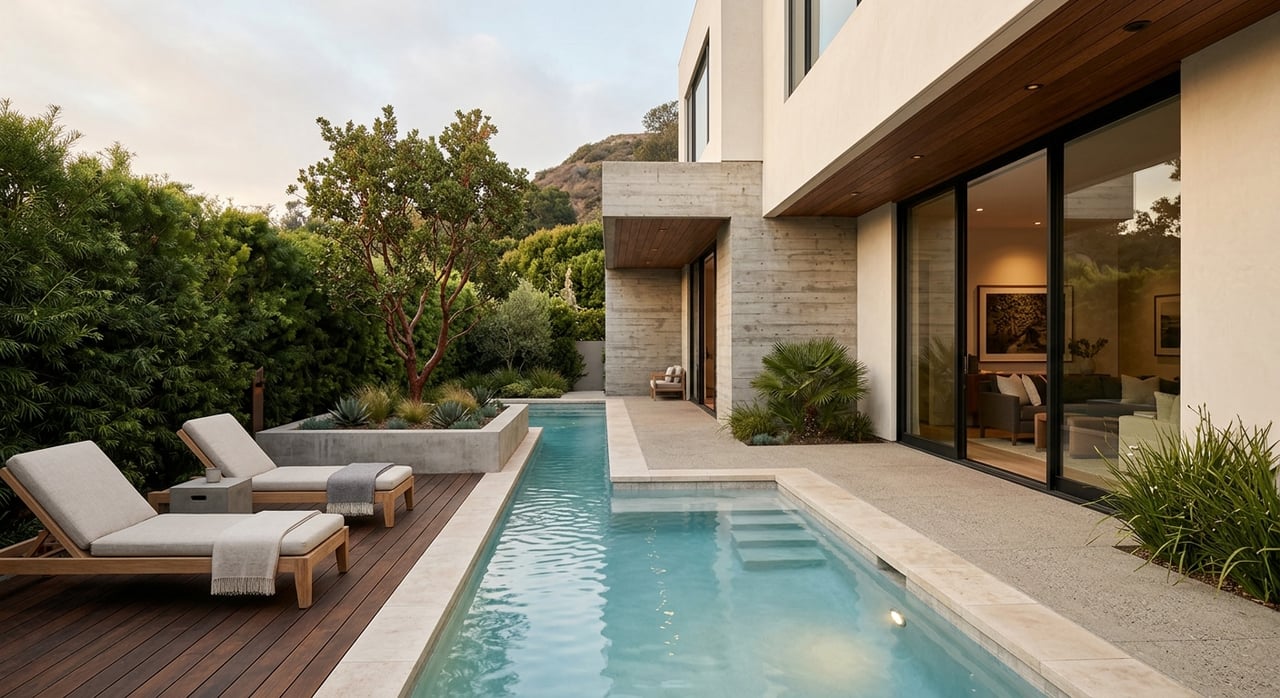
Dreaming about a place in Malibu where you can escape LA for the weekend? You are not alone, but buying a second home here takes more than falling in love with an ocean view. Malibu is a highly specific market with distinct pricing, financing, permitting, and ownership realities. If you want your retreat to feel relaxing instead of complicated, it helps to understand the basics before you start touring. Let’s dive in.
Why Malibu Feels Like Several Markets
Malibu stretches about 25 miles from the Ventura County line to Topanga Canyon Boulevard, and the city sits entirely within California’s coastal zone. According to the City of Malibu coastal planning materials, that geography includes sandy beaches, bluff-backed coves, rocky headlands, and inland canyons and watersheds.
For you as a buyer, that means Malibu is not one simple market. Two homes with the same price can offer very different tradeoffs in access, privacy, maintenance, and future project potential. Understanding those differences early can save you time and help you focus on the right fit.
Malibu Market Basics for Second-Home Buyers
Malibu remains a segmented luxury market, and public data shows it can move slowly. Zillow’s Malibu home value data shows a Zillow Home Value Index of $3.14 million as of March 31, 2026, with 215 homes for sale and a median list price of $3.57 million.
At the same time, Redfin-referenced market figures cited in the research show a March 2026 median sale price of $4.82 million, 175 days on market, and a 90.6% sale-to-list ratio. The gap in numbers reflects different methodologies and Malibu’s small sample sizes, but the bigger takeaway is clear: this is a high-price market where patience and precision matter.
Beachfront vs Canyon Living
Beachfront Costs More for Scarcity
If you are drawn to beachfront Malibu, you are usually paying for direct access, limited supply, and dramatic views. Enclaves like Carbon Beach, Malibu Colony, and Broad Beach sit at the top of the pricing ladder, with recent examples in the research ranging from roughly $8.495 million to well above $20 million, including a Carbon Beach property marketed around $20.75 million to $24.45 million.
For many LA buyers, the appeal is simple. You can leave the city, arrive at the coast, and immediately step into the version of Malibu people picture in their heads. The tradeoff is that scarcity and location carry a steep premium.
Canyon and Mesa Areas Shift the Value Equation
Inland and canyon-adjacent areas often offer a different kind of retreat. Instead of paying primarily for direct sand access, you may be paying more for space, privacy, and a quieter feel.
Current neighborhood value snapshots in the same Malibu data source show the spread clearly: Ramirez Canyon at about $1.51 million, Trancas Canyon at $2.85 million, Malibu Park at $4.42 million, Point Dume at $5.11 million, and Paradise Cove at $6.25 million. These figures are shorthand rather than strict rules, but they help show how much your budget, lifestyle, and maintenance goals can shape the best location for your second home.
How to Choose the Right Fit
A useful way to think about the decision is this:
- Beachfront or near-beach homes often emphasize access, views, and scarcity
- Canyon or mesa properties often emphasize privacy, larger lots, and a more tucked-away retreat feel
Neither path is automatically better. The right choice depends on how you plan to use the home, how often you will be there, and how much upkeep complexity you are comfortable managing.
Financing a Malibu Second Home
Second-home financing usually comes with more scrutiny than a primary-home loan. Under Fannie Mae occupancy rules, a second home must be occupied by you for part of the year, be suitable for year-round use, remain under your exclusive control, and not be a timeshare or rental property.
There is an important nuance for LA buyers who may want some flexibility. Fannie Mae says a property can still qualify as a second home if rental income exists, as long as that income is not used to qualify for the loan and the other second-home rules are met.
You should also expect tighter underwriting. Fannie Mae reserve requirements can increase when you own multiple financed properties, and the research notes that Freddie Mac’s maximum loan-to-value for a second-home purchase is 90%.
Why Jumbo Financing Is Common
For 2026, the FHFA county loan-limit list shows the one-unit conforming limit in Los Angeles County at $1,249,125. Since Malibu pricing typically sits well above that threshold, many buyers should expect jumbo financing or a substantial cash contribution.
That matters for your planning because the purchase is only one part of the equation. In Malibu, the research points to a premium on acquisition, upkeep, and underwriting. In other words, the bar is often higher from the first showing through final loan approval.
Short-Term Rental Rules to Know
If part of your plan is to rent the home out occasionally, Malibu’s rules deserve close attention. The city defines a short-term rental as a stay of 30 consecutive days or less, and a valid permit is required before a property can be offered, advertised, or rented for that use under the City of Malibu short-term rental ordinance.
The city also requires a separate permit for every legal lot or condominium unit. Permits are issued for one year and renewed annually, and HOA rules or CC&Rs may still prohibit or limit short-term rentals even if city rules allow them.
What the Permit Process Includes
According to Malibu’s official short-term rental page, the application process requires:
- Proof of ownership
- Owner and agent contact information
- A valid OWTS operating permit or compliance agreement
- Confirmation that the rental is not barred by HOA rules
- Distribution of the city’s short-term rental code of conduct to guests
Malibu also applies a transient occupancy tax to rentals of 30 days or less. The city’s TOT page states that the rate increased from 12% to 15% effective January 1, 2021.
For you, the practical takeaway is simple: if rental income is part of the vision, confirm the legal path before escrow closes, not after. That step can prevent a mismatch between your financing plan and your actual allowed use.
Ownership Costs Go Beyond Housekeeping
A Malibu second home can be beautiful and low-stress, but only if you go in with clear expectations. Maintenance here is not just about cleaning, landscaping, or replacing a few fixtures.
Because of Malibu’s setting, ownership often includes resilience planning, system maintenance, and permit awareness. These are not side issues. They are part of what you are buying into.
Wildfire Readiness Is Part of Ownership
The city’s Fire Preparedness Quick Guide states that Malibu is in a Very High Fire Hazard Severity Zone. The guide encourages residents to know their evacuation zone, prepare a go-bag, and harden homes against ember exposure and wind-driven fire.
It also notes that Firewise USA certification may help lower insurance rates. For second-home owners who may not be on site every week, wildfire preparation is especially important because response time and readiness can affect both safety and long-term ownership costs.
Septic Systems Matter More Than Many Buyers Expect
Most Malibu properties use onsite wastewater treatment systems rather than standard urban sewer connections. The city’s septic system maintenance guidance recommends inspections every three to five years and requires operating permits when a property is sold, repaired, or converted to short-term rental use.
That means your due diligence should include records, inspection timelines, pumping history, and permit status. For a second-home buyer, this is one of the most important practical checks because it affects both livability and compliance.
Permits and Coastal Timing Can Affect Plans
Malibu’s location inside the coastal zone can shape what you can change after closing. The city’s application guidance states that major rebuilds or relocations, or projects adding more than 10%, can trigger a Coastal Development Permit, and those projects can take 12 to 18 months.
The same research also notes that the California Coastal Commission warns sea level rise can increase flooding, inundation, erosion, and bluff instability. If you are considering a property for long-term enjoyment and future upgrades, these timelines and coastal conditions should be part of your purchase decision from day one.
A Smart Malibu Buying Checklist
Before you move forward on a Malibu retreat, keep this shortlist in mind:
- Define whether you want beachfront access or a canyon-style retreat
- Match your financing plan to Malibu’s pricing reality
- Confirm whether the property fits second-home loan guidelines
- Review short-term rental eligibility before escrow if income matters to you
- Check septic permits, maintenance records, and inspection needs
- Understand wildfire readiness expectations and insurance implications
- Ask about permit timing if you may remodel, expand, or rebuild later
Final Thoughts for LA Buyers
Buying a second home in Malibu can be deeply rewarding, but the smartest purchases usually come from clear-eyed planning. This market asks you to think beyond finishes and views and consider financing, legal use, upkeep, and long-term resilience.
If you want guidance that is polished, discreet, and tailored to how you actually plan to use the property, connect with Sam Araghi. You will get thoughtful support in a market where details matter.
FAQs
What makes buying a second home in Malibu different from buying in other LA coastal areas?
- Malibu combines luxury pricing with coastal-zone permitting, wildfire readiness, septic-system oversight, and local short-term rental rules, so your due diligence usually needs to go deeper.
What should LA buyers know about Malibu second-home financing?
- Many buyers should expect tighter underwriting, reserve requirements, and often jumbo financing because Malibu home prices commonly exceed the Los Angeles County conforming loan limit.
What is considered a short-term rental in Malibu?
- In Malibu, a short-term rental is a rental of 30 consecutive days or less, and the city requires a valid permit before the property is offered or advertised for that use.
What maintenance issues should second-home buyers expect in Malibu?
- Common ownership considerations include wildfire preparedness, septic-system inspections and permits, and planning for longer permit timelines on major coastal projects.
How should buyers compare beachfront and canyon homes in Malibu?
- Beachfront homes often command a premium for access and scarcity, while canyon or mesa properties may offer more privacy, space, and a quieter retreat feel at different price points.