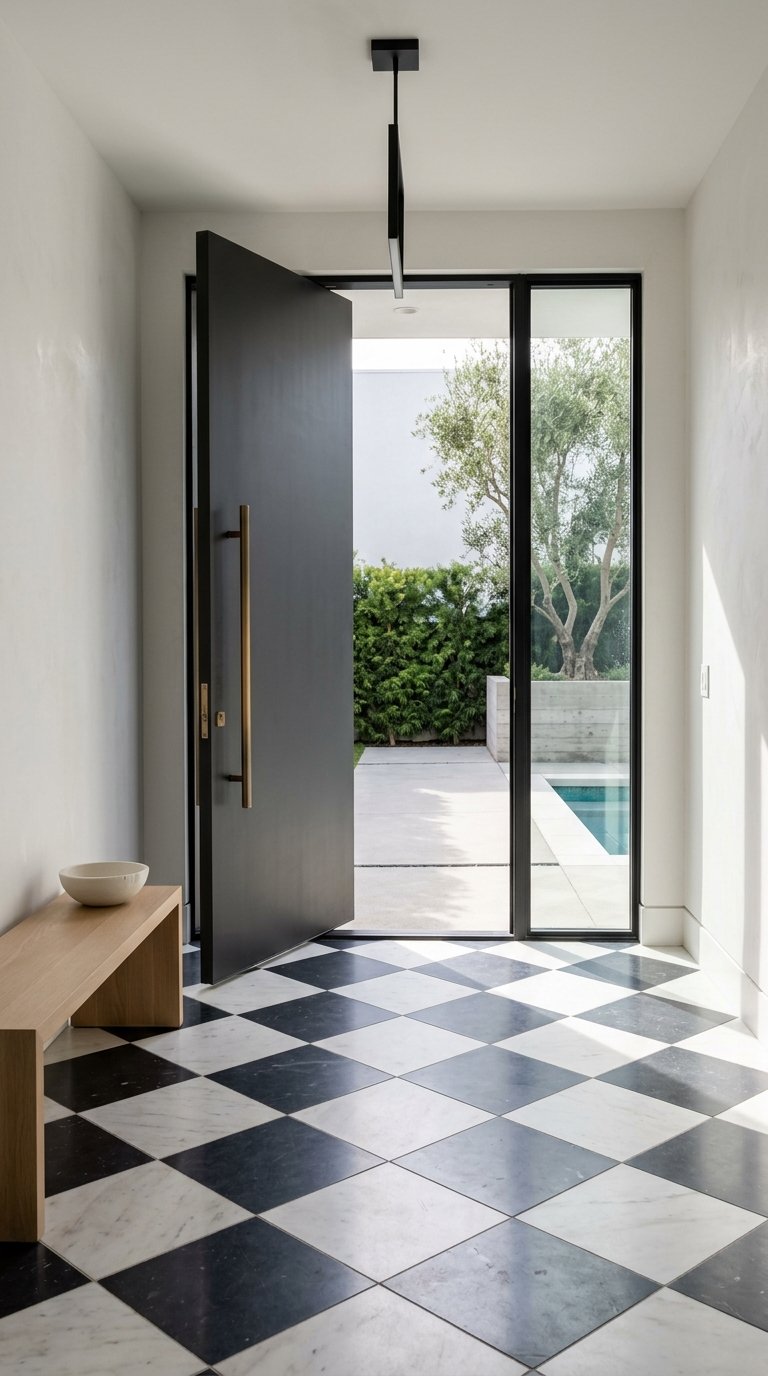
If you are shopping for luxury on LA’s Westside, one question comes up fast: do you want timeless character or turnkey convenience? It is a bigger decision than just old versus new, especially in 90025 and the surrounding Westside, where price, lot size, location, and renovation level all shape value. The good news is that each path can be a smart fit when it matches your lifestyle, budget, and long-term plan. Let’s dive in.
Westside Luxury Means More Than Age
In 90025, the median sale price has been about $1.04 million over the last three months, with homes spending roughly 42 days on market. Zoom out across the broader Westside, and pricing rises sharply, with Westside LA around $2.25 million, Brentwood around $2.02 million, Santa Monica around $1.78 million, and Beverly Hills around $5.71 million.
That matters because a “historic” home and a “new” home are rarely direct apples-to-apples comparisons here. On the Westside, buyers are often weighing architecture, lot size, neighborhood setting, update history, and future project potential all at once.
What Historic Westside Homes Offer
Historic and character homes on the Westside come in several familiar style families. Los Angeles planning sources group them into categories like Arts and Crafts, Mediterranean and Indigenous Revival, American Colonial Revival, Period Revival, Ranch, and L.A. Modernism.
In Beverly Hills, the 1920s and 1930s housing stock is especially rich in period-revival architecture. Spanish Colonial Revival is the most common, with Tudor or English, Colonial Revival, French Eclectic, and Monterrey Revival also appearing in the mix.
Santa Monica’s historic inventory update points to 1920s through 1940s homes with large lots, generous setbacks, and rambling floor plans. It also notes compatible mid-century styles like Ranch, Mid-Century Modern, and International style.
Character Details Buyers Notice
When buyers say a home has “soul,” they are often reacting to visible design cues more than technical labels. On the Westside, that usually means features like stucco walls, low-pitched tile roofs, arches, ironwork, half-timbering, symmetrical Colonial fronts, and mature landscaping.
These details can create a sense of warmth and presence that is hard to fully replicate. They also tend to make homes feel connected to the history and visual rhythm of established Westside streets.
Why Historic Appeal Can Be Powerful
For many buyers, a character home offers more than curb appeal. It can mean larger lots in certain older neighborhoods, a more layered architectural look, and a setting that feels established from day one.
That said, you are not just paying for age. You may be paying for location, land, mature landscaping, original design elements, or a past renovation that preserved what buyers value most.
What New Luxury Homes Deliver
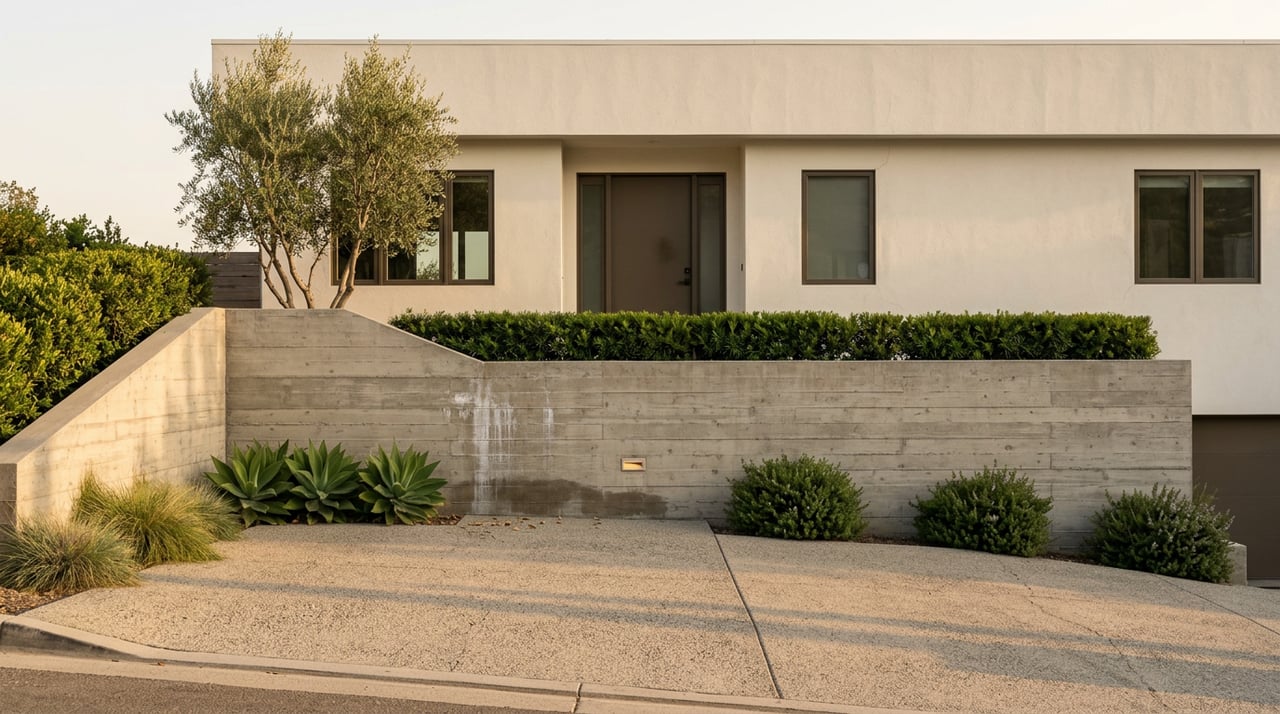
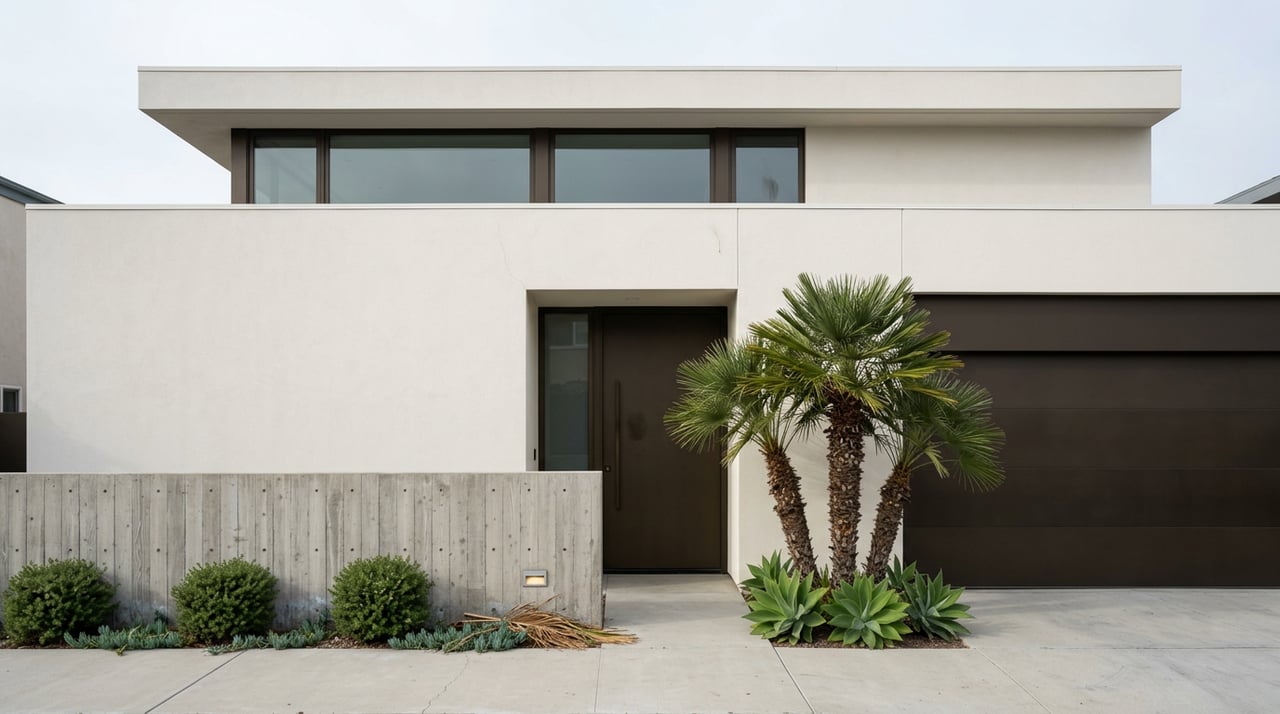
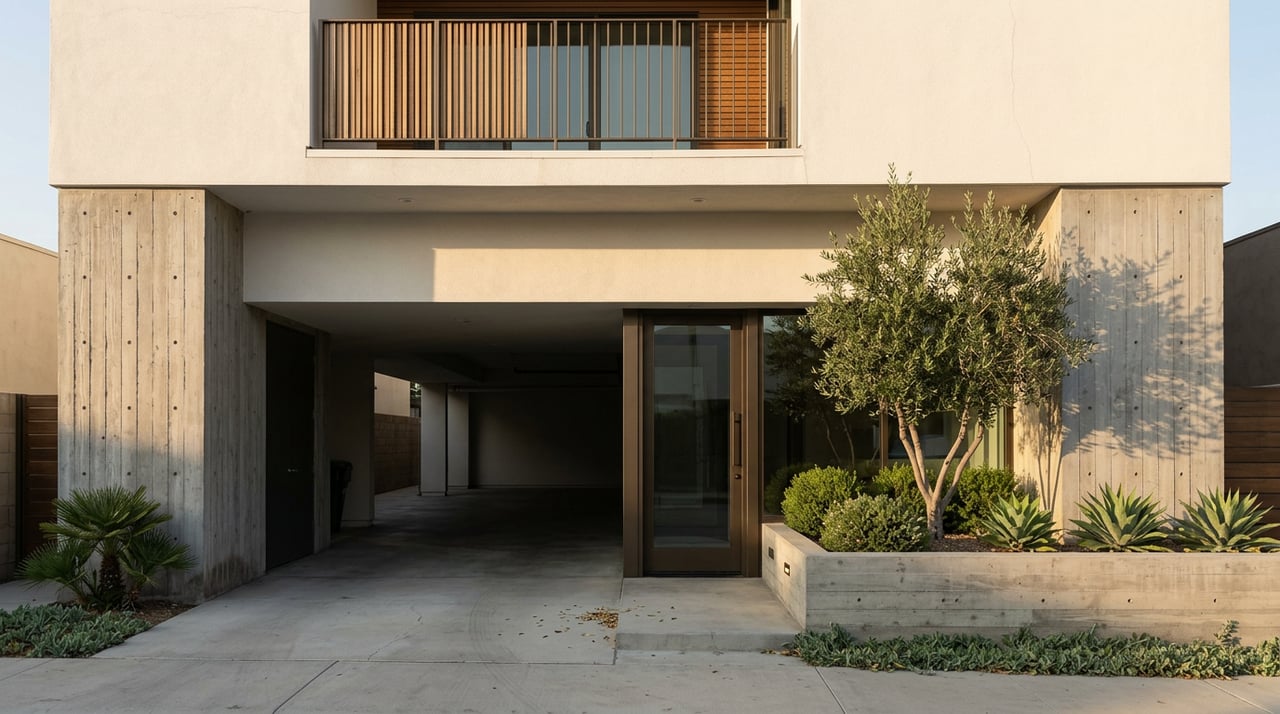
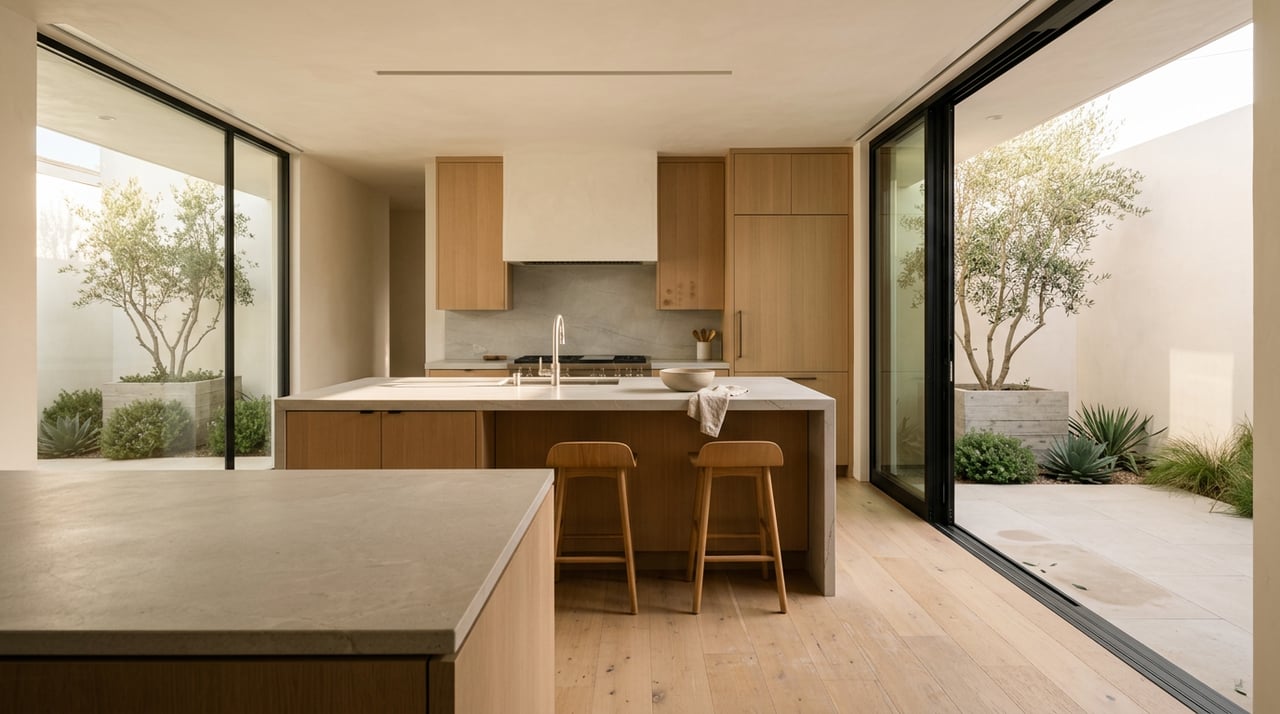
New construction on the Westside is driven by a different kind of appeal. Buyers are often drawn to open floor plans, large glass openings, newer systems, and homes designed around how people entertain and live today.
Current Westside listings show a wide range of new luxury features. Brentwood examples highlight panoramic views, pocketing glass walls, dual chef’s kitchens, screening rooms, pools or spas, outdoor fire features, and very large floor areas.
In Beverly Hills, new builds often emphasize formal entertaining spaces, oversized family rooms, private offices, chef’s kitchens, home theaters, and steam rooms. In Santa Monica, newer homes also lean into high ceilings, natural light, open layouts, and outdoor entertaining areas.
New Does Not Mean One Style
A helpful nuance on the Westside is that new construction is not one single aesthetic. Some newer Brentwood homes borrow traditional details like red-tile roofs and wrought iron, while others lean fully modern.
New can also mean different scales of living. It may be a large custom estate, but it can also be a smaller boutique luxury project or infill townhome-style product in places like Santa Monica or Sawtelle.
Why Buyers Choose Newer Homes
One practical advantage is that newer homes often reduce near-term upgrade pressure. California’s 2025 Energy Code, effective January 1, 2026, applies to newly constructed buildings and major additions or alterations, and the California Energy Commission says the update encourages heat pumps and better efficiency in new homes.
For you, that can translate into fewer immediate system concerns and more current code compliance. If you value ease, privacy, and a more turnkey ownership experience, newer luxury may feel like the cleaner fit.
Historic vs New: The Real Trade-Offs
The best choice usually comes down to how you want to live, not which category sounds better on paper. A historic home may win on charm, lot character, and architectural identity. A newer home may win on layout, systems, and lower short-term maintenance needs.
Here is a simple way to frame it:
| Priority | Historic Home | Newer Home |
|---|---|---|
| Architecture | Distinctive, layered, often one-of-a-kind | Clean, current, often more open |
| Maintenance | Often higher and more specialized | Often lower in the near term |
| Systems | May need updates over time | Usually current and more efficient |
| Layout | Can be less open, more segmented | Often designed for modern living |
| Renovation freedom | May involve more review | Often simpler, depending on scope |
| Lifestyle fit | Character-focused buyers | Turnkey-focused buyers |
Remodeling Rules Matter on the Westside
This is where many buyers need clarity. A home can have historic character without being formally protected, and that distinction matters if you plan to change it.
Santa Monica says its Historic Resources Inventory is informational, but it may trigger extra permit review. Los Angeles states that all exterior work in an HPOZ goes through additional review, including landscaping, alterations, additions, new construction, and even some paint changes.
Beverly Hills takes a different approach. Its surveys do not automatically create formal designation, but Historic Resource Assessment Reports may be used when a project could affect a historic resource.
Questions to Ask Before You Buy
If you are comparing an older luxury home with renovation potential to a newer turnkey property, ask these early:
- Is the property historically designated or only surveyed?
- Will exterior changes need historic-review approval?
- How much of your budget should be reserved for repairs versus cosmetic updates?
- Are you buying for a primary residence, lock-and-leave use, or future resale?
- Are you paying mainly for charm, location, lot, or turnkey convenience?
These answers can reshape the whole decision. A beautiful character home may still be the right buy, but only if you understand the review process and likely ownership costs going in.
Maintenance Is Part of the Equation
Historic homes can be deeply rewarding to own, but they often require more care. National Park Service preservation guidance emphasizes ongoing maintenance and repair over replacement, and it notes that when replacement is needed, materials should be compatible with the original character.
In practical terms, that often means a bigger reserve for upkeep and more thoughtful material choices. If you love original details, that may be well worth it. If you want a home that feels easy from day one, newer construction may better match your expectations.
Lifestyle Fit by Westside Area
The Westside is not uniform, and lifestyle can shape this decision as much as architecture. Santa Monica is described as very walkable and very bikeable. Beverly Hills is very walkable with good transit, while Brentwood is more moderately walkable.
That supports a simple takeaway. Historic homes often appeal to buyers who value character, established location, and are comfortable managing updates. Newer luxury homes often appeal to buyers who prioritize privacy, newer systems, and less immediate maintenance.
In 90025, Context Is Everything
In and around 90025, you may be comparing homes that sit near very different value anchors across the Westside. That means pricing can reflect far more than square footage or construction year.
A well-located older home may carry value because of lot, street presence, or future upside. A newer home may command a premium because it saves time, reduces project risk, and delivers a more seamless move-in experience.
How To Decide With Confidence
If you are torn between historic and new, try evaluating homes through three filters: lifestyle, budget, and project tolerance. This keeps the decision grounded in how you will actually use the property.
Start with lifestyle. Do you want charm, texture, and a home with a story, or do you want ease, privacy, and a more lock-and-leave setup? Then look at budget, including not just purchase price but what you may spend after closing.
Finally, be honest about project tolerance. Some buyers genuinely enjoy stewardship and design decisions. Others would rather avoid permits, contractor coordination, and surprise repair costs.
On the Westside, there is no universal winner. The right luxury home is the one that fits your goals today and still makes sense five years from now.
If you want help weighing character, condition, renovation risk, and resale potential across the Westside, Sam Araghi offers a discreet, data-driven approach tailored to your goals.
FAQs
Should Westside buyers choose a historic home or a new luxury home?
- The better choice depends on your priorities. Historic homes often offer character, larger lots in some areas, and architectural identity, while newer homes often offer modern layouts, newer systems, and less immediate maintenance.
What architectural styles appear in historic Westside Los Angeles homes?
- Common style families include Arts and Crafts, Mediterranean and Indigenous Revival, American Colonial Revival, Period Revival, Ranch, and L.A. Modernism, with Spanish Colonial Revival especially common in Beverly Hills.
Do historic homes in Santa Monica, Los Angeles, or Beverly Hills have remodeling restrictions?
- They can. Santa Monica says properties in its Historic Resources Inventory may trigger extra permit review, Los Angeles requires added review for exterior work in an HPOZ, and Beverly Hills may use Historic Resource Assessment Reports when a project could affect a historic resource.
Are new luxury homes on LA’s Westside always modern in style?
- No. Some new homes are fully contemporary, while others borrow traditional elements such as red-tile roofs and wrought iron, so new construction on the Westside includes more than one aesthetic.
Why do newer Westside luxury homes appeal to busy buyers?
- Newer homes often come with current systems, more open layouts, and less near-term upgrade pressure, which can make ownership feel more predictable and convenient.
What should buyers in 90025 ask before buying a character home?
- You should ask whether the property is designated or only surveyed, whether exterior changes need review, how much to budget for repairs versus cosmetic updates, and whether the home fits your long-term use and resale goals.