Wondering what day-to-day life in West Hollywood actually feels like? You have probably heard about the iconic Sunset Strip and the energy along Santa Monica Boulevard, but you might also want quiet mornings, easy errands, and a strong sense of community. This guide gives you a clear, practical picture of life in WeHo so you can decide if it fits your lifestyle and priorities. You will find insights on walkability, dining and nightlife, quieter residential pockets, parks, housing, transit, and how WeHo compares to nearby hubs. Let’s dive in.
A day in West Hollywood
Picture a morning coffee from a local café, a quick walk to pick up groceries or drop off dry cleaning, and a midday workout close to home. In the evening, you can meet friends for dinner, see a comedy show, or check out a rooftop bar without getting in your car. That is the rhythm many residents enjoy here. The city is compact and urban, with a steady flow of activity that continues into the night near major entertainment corridors.
WeHo is known for its creative energy, strong cultural identity, and active civic life. You will find public art, city-backed cultural programming, and year-round events. The population skews younger and more renter-heavy than many suburban Westside cities, and many residents work in entertainment, tech-adjacent roles, fashion, healthcare, or professional services.
Walkability and street life
If you prioritize walking, West Hollywood stands out. Central neighborhoods near Santa Monica Boulevard, the Sunset Strip, Melrose, and Robertson offer high walkability for daily errands, dining, and fitness. Sidewalks stay lively well into the evening, especially near nightlife and music venues.
Expect a true urban feel. Foot traffic is strong, and street life is part of the appeal. If you enjoy window shopping, café culture, and spontaneous plans, you will likely find your groove here.
Dining and nightlife
The food and nightlife scene is broad, from casual cafés and neighborhood staples to chef-driven restaurants, boutique cocktail bars, and storied music and comedy clubs on the Sunset Strip. If you like trying new places, you will not run out of options.
Nightlife intensity is real. Certain blocks along the Sunset Strip and parts of Santa Monica Boulevard stay lively late. If you live within a few blocks of these corridors, expect late-night energy and ambient noise on busy evenings.
Quieter residential pockets
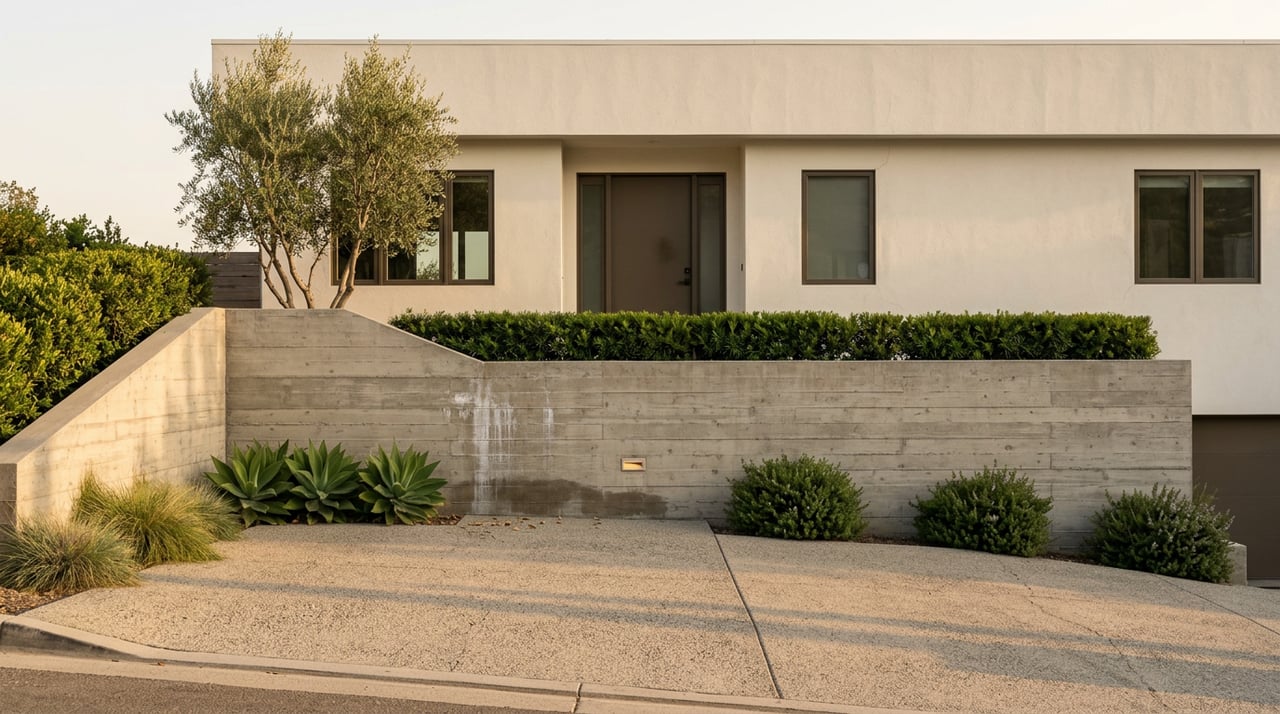
WeHo is a mix of high-activity corridors and calmer streets. Step a few blocks off Santa Monica Boulevard or Sunset, and you will find quieter residential pockets with low- and mid-rise buildings and some single-family homes. The difference in noise and pedestrian activity can be noticeable block by block.
If you value calm, focus your search on streets set back from the main routes. You can still walk to your favorite spots while enjoying a more relaxed everyday rhythm.
Parks and outdoor access
Inside the city, you will find green spaces that host community events and recreation. Plummer Park offers community programs and a popular flea market, while West Hollywood Park includes a recreation center, library, and sports facilities. The city also runs organized activities and supports cultural events in public spaces.
When you want bigger open spaces, Runyon Canyon, Griffith Park, and Hollywood Hills trailheads are a short drive away. Beach days are doable, but plan for typical Los Angeles traffic when heading to Santa Monica or Venice.
Shopping, services, and conveniences
Daily life is simplified by a dense network of retail and services. You will see boutique fashion, home decor, specialty food markets, gyms, salons, and medical specialists clustered along Melrose, Robertson, and Santa Monica Boulevard. Major hospitals and clinics are a short drive away, including the Cedars-Sinai area, with UCLA facilities farther west.
If you prefer to schedule everything within a few blocks, WeHo makes that possible. Many residents run their entire week on foot plus the occasional rideshare.
Housing and the cost of living
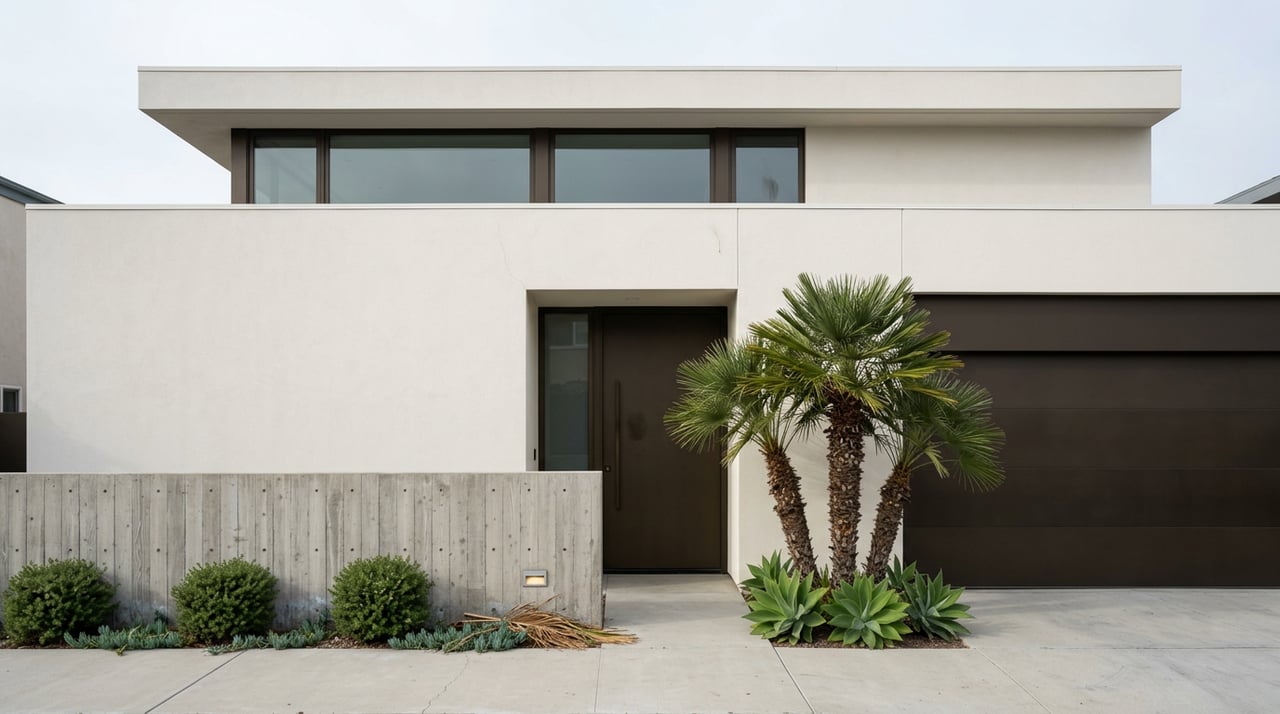
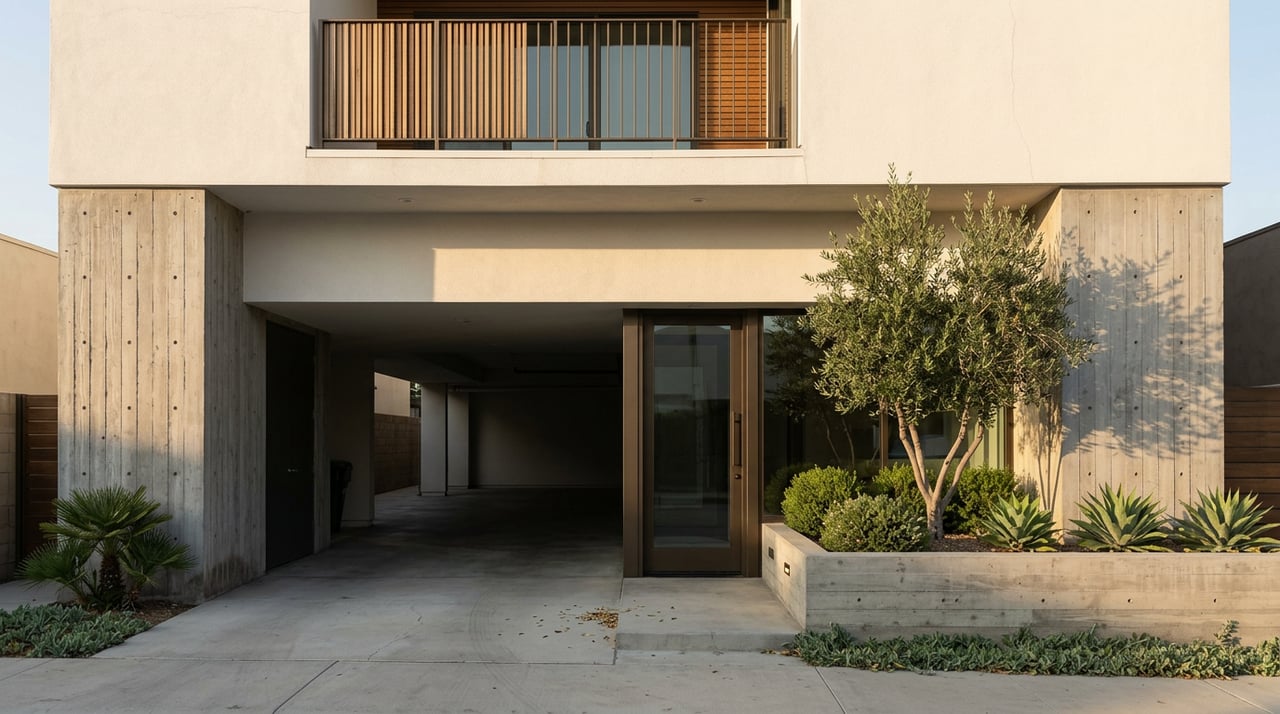
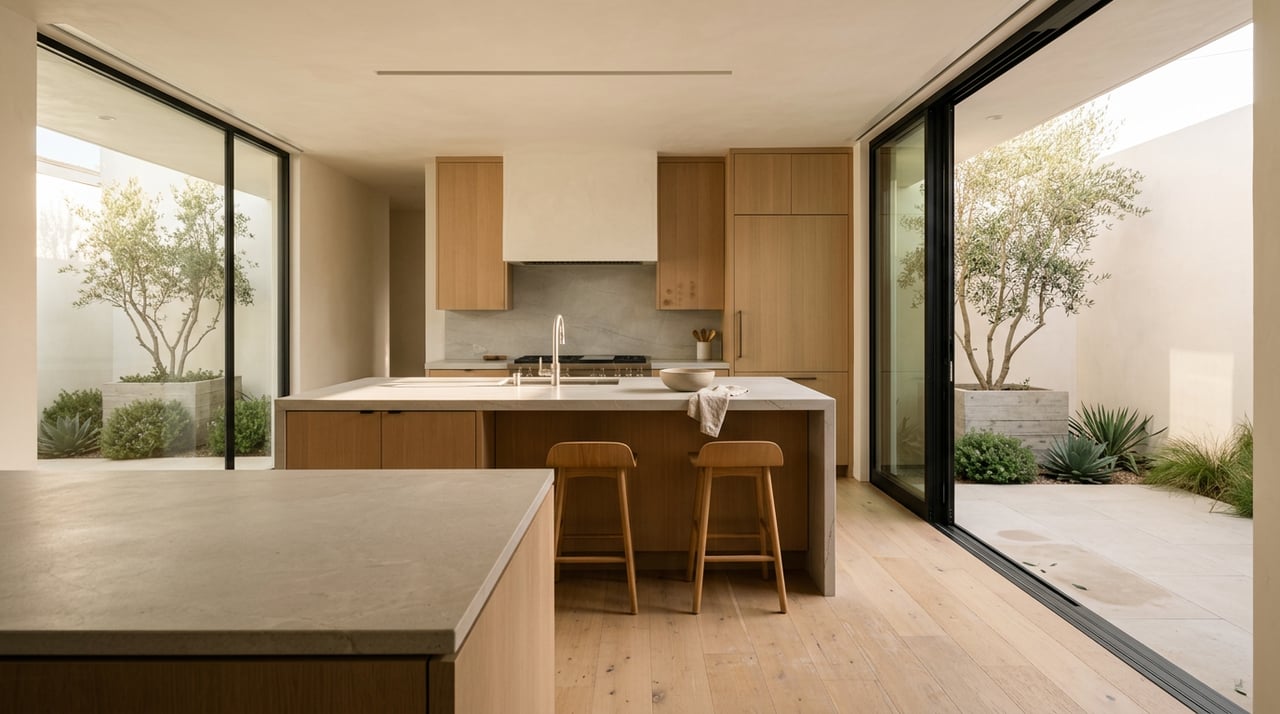
Housing options lean toward apartments and condos, with some luxury developments and a smaller number of single-family homes. Architecture ranges from mid-century and art deco to Spanish revival and modern infill. New mixed-use projects have added market-rate and luxury inventory in recent years.
West Hollywood is a higher-cost market compared with the county median and many inland suburbs. Prices fluctuate with market conditions, and inventory for single-family homes remains limited in such a compact city. If you plan to buy, expect competitive dynamics for well-located properties. If you plan to rent, you will see a variety of building ages and amenity levels, often with strong demand for updated units near walkable corridors.
Renters’ rights and local rules
A sizable share of residents rent, and the city has a Rent Stabilization Ordinance with tenant protections that can affect allowable rent increases, eviction rules, and relocation fees. If you are a prospective renter, it is wise to confirm whether a specific unit is covered under rent stabilization and to review your rights and responsibilities. Buyers interested in tenant-occupied properties should also understand these local regulations.
Parking is another practical factor. Many buildings do not provide one space per unit, resident permits are common on side streets, and commercial corridors rely on time-limited or paid parking. If secure or on-site parking matters to you, make it a priority during your search and budget for associated costs.
Getting around and commuting
WeHo sits in a central pocket of Los Angeles with good connectivity. Bus service links you to Hollywood, Downtown, Beverly Hills, and other hubs. There is no subway station inside the city, so rail access requires a short bus or car connection to nearby Metro stops. Local shuttles and rideshare help fill the gaps, especially at night.
Driving gives you flexible access to the 101 and, via major arterials, the 405. Commute times vary widely by time of day, consistent with Los Angeles patterns. Some residents work close by in mid-city and Westside creative or corporate clusters. Others commute to Downtown LA, Burbank, Century City, or the Westside office cores.
Cycling is viable on select streets with bike lanes, but heavy-traffic corridors can be challenging. E-scooters and bike-share options operate here, subject to local rules.
Safety and city services
As with many urban neighborhoods that draw visitors, property crimes like theft and vehicle break-ins are ongoing concerns. Trends in violent crime vary by year and block. Many residents check official crime dashboards or local police reports to understand patterns near specific buildings and streets.
City services are a strong feature of life here. West Hollywood supports robust public programming, arts initiatives, social services, and active civic engagement. Community events and cultural advocacy are woven into the city’s identity, which you will notice in both programming and public spaces.
WeHo vs nearby hubs
WeHo’s central location puts it near several Westside destinations. Here is how it compares in broad strokes.
WeHo vs Beverly Hills
Beverly Hills emphasizes luxury retail and quieter residential enclaves, especially away from tourist areas. West Hollywood is denser, with a creative scene, a visible LGBTQ+ legacy, and more nightlife-oriented streetscapes.
WeHo vs Santa Monica
Santa Monica offers a beach-centric lifestyle, coastal parks, and rail access to Downtown. West Hollywood is inland and more nightlife and entertainment focused, with quick reach to Hollywood and central LA job nodes.
WeHo vs Hollywood
Hollywood has a larger entertainment footprint with major theaters and heavy tourism along Hollywood Boulevard. WeHo’s scene is more compact, with curated dining, boutique retail, and many walkable neighborhood streets.
WeHo vs Westwood and Century City
Westwood and Century City revolve around institutions like UCLA and corporate offices, with a strong daytime office population. WeHo offers higher walkability in commercial corridors and a stronger independent dining and nightlife culture.
Is West Hollywood right for you?
Use this quick checklist to pressure test your fit:
- You want high walkability to dining, gyms, shops, and nightlife.
- You prefer a compact, urban feel over larger yards or suburban layouts.
- You are comfortable with late-night activity if you live near main corridors.
- You can navigate permit parking, rideshare, or buildings with limited parking.
- You value cultural programming, public art, and an active civic identity.
- You are open to apartments and condos, with fewer single-family options.
- You plan to review rent stabilization details if renting or buying tenant-occupied.
If most of these ring true, WeHo could be a strong match.
Smart steps to take next
- Visit twice: once on a weekday afternoon and once on a weekend evening. Notice noise levels and foot traffic by block.
- Walk your shortlist streets. Check lighting, parking patterns, and how close you are to desired cafés and gyms.
- Map your commute at peak times. Test routes to your office or frequent destinations.
- Confirm parking details for any building you consider. Factor permit zones and fees into your budget.
- If renting, ask whether the unit is rent stabilized and review local tenant protections. If buying, review any tenant-occupied considerations.
- Track current pricing for your property type and location. Inventory and competition shift quickly.
Final thoughts
Living in West Hollywood means high walkability, a deep well of dining and culture, and a central location that keeps your social life close. It also means balancing noise near entertainment corridors, planning for parking, and navigating a market where apartments and condos dominate. If you are clear on your lifestyle priorities, you can find a pocket that fits.
If you want a private, data-informed look at the blocks that match your goals, reach out to Sam Araghi for a consultation tailored to your timeline and budget.
FAQs
Is West Hollywood loud at night near the Sunset Strip?
- Noise can be noticeable within a few blocks of the Sunset Strip and parts of Santa Monica Boulevard, while streets set farther back are typically quieter.
How walkable is day-to-day life in WeHo?
- Central neighborhoods offer strong walkability for errands, dining, and gyms, with many residents relying on foot travel plus rideshare.
What housing types are most common in West Hollywood?
- Apartments and condos dominate, with some luxury developments and a smaller number of single-family homes in select pockets.
Are there parks and outdoor spaces inside the city?
- Yes. Plummer Park and West Hollywood Park anchor local recreation, and larger hikes like Runyon Canyon are a short drive away.
What should renters know about local rules?
- West Hollywood has rent stabilization and tenant protections, so confirm a unit’s coverage and understand allowable increases and related rights.
How does WeHo compare to nearby beach cities like Santa Monica?
- Santa Monica offers a coastal, beach-forward lifestyle and rail access, while WeHo is inland, highly walkable in commercial corridors, and known for dining and nightlife.