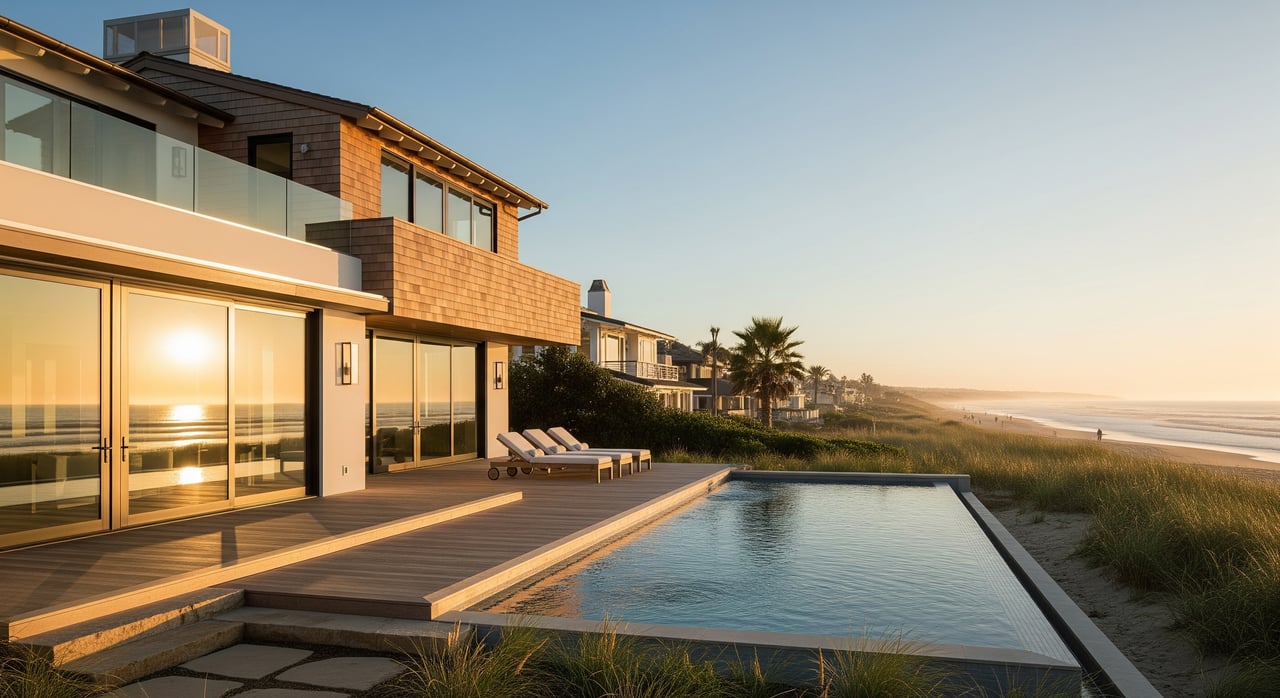
Buying near the sand sounds simple until you compare block by block. In the South Bay, each beach city offers a different mix of home types, walkability, commute patterns, and price points. You want the right fit without overpaying for the wrong lifestyle. In this guide, you’ll get a clear, side‑by‑side orientation to Manhattan Beach, Hermosa Beach, and Redondo Beach so you can shortlist with confidence. Let’s dive in.
How to choose your beach city
Start with how you’ll live day to day. Do you want Strand-front views or a quieter inland street with more space? Will you walk to dinner most nights or value a faster drive to LAX and El Segundo? Are you ready for the upkeep coastal homes require? Keeping these tradeoffs in focus helps you compare apples to apples across the three cities.
- Beachfront living means direct beach access and views, but expect higher prices, smaller lots, multi‑level homes, and stricter coastal permitting.
- Inland areas typically offer larger lots, more single‑family options, and better value, but you’ll trade some walkability.
- Walkability is highest around Hermosa Pier and downtown Manhattan Beach. Redondo has walkable hubs near King Harbor and Riviera Village, with more car‑dependent pockets across its larger footprint.
- Commutes vary by neighborhood and time of day. Proximity to El Segundo, LAX, and major routes like Sepulveda and the 405 can save meaningful time.
- Ownership near the coast comes with higher maintenance, potential coastal hazards, and insurance considerations.
Manhattan Beach at a glance
Positioning: Manhattan Beach sits at the top of South Bay pricing and prestige. Demand is strong for larger single‑family homes and premium beachfront properties.
Micro‑areas to know
- The Sand Section and The Strand: Multi‑story single‑family custom homes directly along the boardwalk near the pier. Lots are smaller, privacy varies by block, and many homes are high‑end remodels or new builds.
- Downtown / Manhattan Beach Village: Mixed housing close to dining and retail, with small single‑family homes, duplexes, townhouses, and higher‑end condos.
- Tree Section / Inland neighborhoods: Primarily single‑family homes on larger lots and more traditional suburban streets east of Highland and Valley.
- North End / El Porto border: Smaller lots, more condos and rentals, and a strong surf culture.
- Manhattan Village: Newer infill near the mall with townhomes and single‑family pockets. More car‑oriented than downtown.
Walkability
- Downtown and the Sand Section are very walkable for beach access, coffee, and dining.
- Tree Section and Manhattan Village lean more car or bike dependent.
Commute patterns
- Many residents work in El Segundo or the LAX area with typical off‑peak drives of 10 to 20 minutes. Santa Monica can be 20 to 35 minutes off‑peak. Downtown LA often ranges from 35 to 60+ minutes, traffic permitting.
- Local errands can be done by bike or board along The Strand.
Price orientation
- Beachfront single‑family: premium multi‑million and up, reaching the top tiers for the South Bay.
- Inland single‑family (Tree Section): mid to high millions depending on lot, condition, and proximity.
- Condos/townhomes: upper hundreds of thousands into multi‑millions based on quality and location.
Hermosa Beach snapshot
Positioning: Hermosa is a dense, lively beach town with premium Strand frontage and comparatively more modest inland pricing than Manhattan Beach.
Micro‑areas to know
- Pier / Downtown: A walkable hub around Pier Avenue with condos, duplexes, and small single‑family homes close to restaurants and nightlife.
- The Strand / Beachfront: Narrow ribbon of high‑value homes and condos directly on the bike path.
- South Hermosa / Eastside: Inland residential streets with smaller single‑family homes and duplexes on modest lots.
Walkability
- The Pier area is one of the most walkable places in the South Bay. Daily dining and beach access are simple without a car.
- Inland streets are still short walks to the beach, just a bit less dense.
Commute patterns
- Residents often work locally or in nearby El Segundo or Torrance, with many car commutes. Bus service connects to neighboring beach cities and regional transit.
- Commutes to the Westside or Downtown LA depend on traffic along coastal and freeway connectors.
Price orientation
- Beachfront single‑family and Strand homes: premium multi‑million.
- Condos/townhomes near the pier: mid to high six figures into the low millions.
- Inland single‑family/duplex: mid to high six figures into the low millions depending on renovation and street.
Redondo Beach overview
Positioning: Redondo is the largest and most varied of the three, with harborfront amenities and broad inland neighborhoods. It offers the widest price range and the most housing variety.
Micro‑areas to know
- King Harbor / Seaside Village / North Redondo: Harborfront condos and single‑family homes with dining and marina access. Walkable near the pier and restaurants.
- Riviera Village / South Redondo: A charming neighborhood shopping corridor with cafes, single‑family homes, and condos east of the pier stretch toward the Palos Verdes Peninsula.
- North end / El Porto border: Smaller homes, more rental units, and popular surf spots.
- Inland and hillside pockets: Larger lots and suburban layouts with more car dependence.
Walkability
- King Harbor and Riviera Village are walkable hubs for dining and errands. Because Redondo covers more ground, many areas are better with a car.
Commute patterns
- Strong commuter flows to Torrance, El Segundo, and LAX. Some residents connect to Metro lines by bus, but most trips are car‑centric.
Price orientation
- Harborfront single‑family and premium condos: mid to high millions.
- Inland single‑family: low to mid millions.
- Condos/townhomes: high six figures to low millions, with broader attainable inventory compared to Manhattan Beach.
Commutes and connectivity
- Major routes: Pacific Coast Highway runs through Hermosa and Redondo and serves as the main north‑south arterial for local trips. Sepulveda/Highland and Artesia/Sepulveda connect inland. The 405 and 105 are the fastest for regional travel but require backtracking from the coast.
- Transit: Beach Cities Transit provides local bus service linking Manhattan, Hermosa, and Redondo, with connections to Metro and regional lines. Transit to central LA typically requires transfers and longer travel times.
- Active transport: The Strand bike and walking path links the three cities and supports short local trips by bike, skateboard, or foot. Local bike lanes vary by street.
- Airport access: LAX is the closest major airport. Depending on your exact neighborhood and traffic, drives can be about 10 to 30 minutes off‑peak.
Tip: Test your commute at the time you’ll travel most days. A property a few blocks closer to key routes can save meaningful time over a year.
Coastal ownership basics
Owning near the ocean is a lifestyle choice with unique costs and rules. Before you buy, make sure you understand:
- Coastal permits and development: The California Coastal Commission and local planning departments oversee development near the shoreline. Renovations, additions, seawalls, and new builds can require coastal permits with longer timelines and added conditions.
- Hazards and insurance: Flood zones, tsunami inundation, coastal erosion, and sea level rise can affect specific parcels. Insurance is often higher near the ocean, and some properties may need flood coverage or special riders.
- Maintenance: Expect more frequent exterior upkeep from salt air and sea spray. Metal corrosion, paint cycles, and HVAC wear are common cost drivers.
- HOAs and multi‑unit: Many condos and townhomes have HOAs with assessments and rules. Beachside HOAs may need higher reserves for exterior maintenance.
- Short‑term rentals: Rules vary by city and change over time. Confirm local municipal codes before assuming income potential from vacation rentals.
- Zoning and density: Zoning can change from block to block. Beachfront strips often have special coastal overlays and different density allowances than inland single‑family zones.
Shortlist checklist: what to test in person
Use this quick checklist when you tour properties or scout neighborhoods.
- Walk the route to the pier, closest grocery, coffee, and a transit stop at the times you’d use them.
- Listen for noise sources such as bars near Hermosa Pier, harbor activity in Redondo, or traffic along Pacific Coast Highway.
- Inspect for exterior salt damage, window seals, railings, and HVAC age.
- Confirm parking setup, including street permits, driveway clearances, and guest options in dense downtown or Strand areas.
- Review parcel maps for lot size and buildable envelope. Compare typical footprints for new builds versus remodels.
- Check city hazard overlays and FEMA flood maps for any flood or coastal hazard considerations tied to the parcel.
- If applicable, get HOA budgets and reserve studies, plus any special assessments.
- Ask about short‑term rental rules for the specific address and zone.
- Scan city planning agendas for projects that could change the area such as pier renovations, seawalls, or transit initiatives.
Which city fits your lifestyle?
- Choose Manhattan Beach if you want the South Bay’s highest prestige, premium Strand frontage, and larger single‑family options inland, and you value a strong downtown core.
- Choose Hermosa Beach if you want a lively, highly walkable beach town feel with premium beachfront and more modest inland pricing compared to Manhattan.
- Choose Redondo Beach if you want the broadest range of prices and home types, from harborfront condos to larger inland lots, with walkable pockets near King Harbor and Riviera Village.
Whichever city you’re leaning toward, match the micro‑area to your daily routine. A few blocks can change your walkability, your commute, and your budget.
Ready to see how your shortlist plays out on the ground? For a private tour plan, pricing context by block, and guidance on coastal permitting and ownership, connect with Sam Araghi for a confidential consultation.
FAQs
What are the biggest differences among Manhattan, Hermosa, and Redondo?
- Manhattan Beach leads on price and prestige with strong demand for single‑family and beachfront homes; Hermosa offers a dense, walkable pier area with premium Strand frontage and more modest inland prices; Redondo spans the widest price range and housing variety with walkable hubs and larger inland areas.
How walkable are the South Bay beach cities for daily errands?
- Hermosa Pier and downtown Manhattan Beach are highly walkable for dining and beach access, while Redondo’s King Harbor and Riviera Village are walkable pockets within a larger, more car‑dependent city.
What are typical commute times to LAX, El Segundo, Santa Monica, and DTLA?
- Off‑peak, many Manhattan Beach and Hermosa locations reach LAX/El Segundo in about 10 to 20 minutes, Santa Monica in 20 to 35 minutes, and Downtown LA in 35 to 60+ minutes, with traffic adding variance.
How does coastal permitting affect remodels near the beach?
- Projects near the shoreline can require approvals that add time and conditions because the California Coastal Commission and local planning departments oversee coastal development and public access.
What maintenance and insurance considerations come with beachfront homes?
- Expect higher premiums and more frequent exterior upkeep due to salt air, wind, and exposure, including paint cycles, metal corrosion, and HVAC wear; flood coverage may be recommended or required for some parcels.
Are short‑term rentals allowed in the South Bay beach cities?
- Rules vary by city and zone and are updated periodically; verify current municipal codes and permitting requirements before assuming rental income potential.